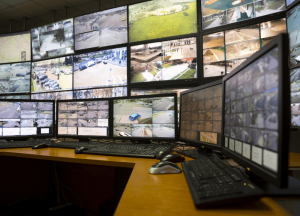
If control room operators are overwhelmed by complexity, managers face the equally heavy burden of accountability. They are judged on uptime, response times, compliance with regulations, and the overall resilience of their control rooms. In 2025, these demands are only increasing:
- Performance pressure: Whether it’s a city commissioner overseeing an ICCC or a utility executive managing grid operations, managers are expected to deliver faster incident responses, smoother service, and more reliable outcomes.
- Aging infrastructure: While budgets are directed toward new systems, many organisations still rely on older, harder-to-maintain technologies. This creates a fragile environment where managers worry about unexpected failures.
- Limited visibility: Managers often lack real-time oversight of what’s happening on the control room floor. If operators are struggling with cluttered systems, managers may not know until a critical incident escalates.
- Strategic constraints: Instead of focusing on long-term planning, managers are frequently pulled into firefighting, troubleshooting integration issues, or defending performance against unrealistic expectations.
India’s control rooms cannot continue to shoulder ever-increasing demands using systems not designed for the complexity of 2025. Urbanisation, industrial expansion, and growing security risks will only increase the burden on both operators and managers. Without change, information overload, fatigue, and accountability gaps will remain barriers to efficiency and safety.
But there is another way. Control rooms can be reimagined around clarity, simplicity, and reliability. Operators can work in environments where data is streamlined, not overwhelming. Managers can oversee operations knowing their teams are supported by intuitive, dependable systems. This vision is not speculative; it is already being delivered by Datapath in projects across India and around the globe.