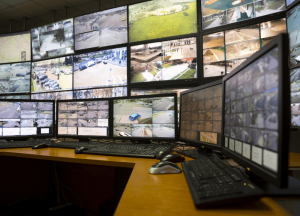
Workflow automation is the ability to configure predefined actions that execute automatically when specific conditions are met without requiring an operator to manually trigger them. In a control room context, this might mean automatically routing a camera feed to the main video wall when a motion alert fires, switching the displayed layout when a shift starts, or escalating a notification to a supervisor when a threshold is crossed.
The operational benefit is significant: automation reduces response latency, removes reliance on individual operator vigilance, and ensures consistent procedure adherence even during high-pressure incidents. Aetria supports workflow automation as a native feature, meaning triggers, conditions, and actions are configured through the same interface used for all other platform functions.
At a glance
- Suitable for security operations centers (SOCs), network operations centers (NOCs), transport, utilities, broadcast, defense, and corporate environments.
- Workflow automation enables predefined actions, layout changes, alerts and content routing without manual operator intervention.
- Scalable architecture supports additional users, displays, and locations without requiring a full system redesign.
Why does centralized control improve operational performance?
When operators work across disconnected tools, they carry the cognitive burden of reconciling information from multiple interfaces, each with different conventions, alert thresholds, and navigation patterns. Centralized control removes that burden. A single interface means a single set of learned behaviors, a single permission model, and a single point of accountability when something goes wrong.
For administrators, centralization is equally valuable. User permissions, source assignments, layout configurations, and system policies can all be managed from one location rather than coordinated across separate vendor systems. This reduces the risk of configuration drift where individual subsystems fall out of sync over time and simplifies onboarding when operators join or move between teams.
How do control room platforms integrate with third-party systems?
Modern control room environments rarely operate in isolation. Security management platforms, incident ticketing systems, building management systems, and external monitoring applications all generate data and events that operators need to act on. A well-designed control room platform exposes integration points typically via APIs, standard protocols, or dedicated connectors that allow these systems to feed into the central operational environment.
Aetria is designed with integration in mind. External system events can trigger on-screen alerts, layout changes, or automated workflows, and the platform can push status information to external tools. This bidirectional integration means the control room becomes the operational hub of a wider technology ecosystem, rather than a separate island within it.
How is system health monitored across a control room deployment?
Control room platforms monitor connected devices, software services, network infrastructure, video wall controllers, and operator workstations continuously. When a device goes offline, a service becomes unresponsive, or a threshold is exceeded, the platform generates a real-time alert ideally before any visible impact on operations. This proactive monitoring is critical in environments where unplanned downtime carries operational or reputational cost.
Aetria’s health monitoring surfaces device and service status through the management interface, giving administrators a unified view of system health across the entire deployment. In multi-site environments, this means a central team can monitor remote locations without requiring on-site personnel for routine status checks.
Plan your control room automations?
Talk to a Datapath specialist about designing the right solution for your environment.
Frequently asked questions
What is control room workflow automation?
Workflow automation enables predefined actions to occur automatically when specific conditions or events are triggered. For example, content can be displayed on a video wall, layouts can be changed, or notifications can be issued without manual intervention, helping operators respond faster during critical situations.
Can control room software integrate with third-party systems?
Modern control room platforms are designed to integrate with external systems such as security management software, incident management platforms, building management systems, monitoring applications, and automation platforms. This allows information to be shared and actions coordinated across multiple technologies.
How do operator workstations improve control room efficiency?
Operator workstations give users centralized access to applications, video sources, dashboards, and remote systems from a single organized workspace. By consolidating information access, they reduce the cognitive load of switching between separate tools and help operators maintain situational awareness across multiple data streams simultaneously.
How is system health monitored in a control room environment?
Control room management platforms continuously monitor connected devices, software services, network infrastructure, video wall controllers, and workstations. Real-time alerts help identify issues before they impact operations, improving reliability and uptime.
Ready to build a better control room?
Speak with a Datapath specialist about how Aetria can unify your control room operations or download our whitepaper to explore the full platform in detail.